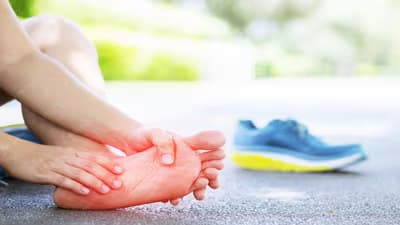
Your feet are the foundation of your body, carrying you through every step of your day. Foot pain is more than just a nuisance—it can limit your mobility and diminish your quality of life. The good news is that whether you're seeking immediate comfort or lasting solutions, you can take control of your foot health. Here’s your guide to moving from quick relief to a future free from foot pain.
1. Find Immediate Relief with R.I.C.E.
For sudden aches, swelling, or minor injuries, the R.I.C.E. method is a trusted first response:
- Rest: Stop activities that aggravate the pain to prevent further strain.
- Ice: Apply an ice pack wrapped in a towel for 15-20 minutes to reduce inflammation.
- Compression: Use a bandage to gently support the area and minimize swelling.
- Elevation: Prop your feet up above heart level when resting to improve circulation.
2. Invest in Proper Footwear
Your shoes are the most important tool for foot health. Ill-fitting shoes are a leading cause of pain. Make sure your footwear:
- Has adequate arch support and a slightly raised heel.
- Provides a roomy toe box so your toes aren't cramped.
- Offers good cushioning, especially at the heel and ball of the foot.
- Is appropriate for your activity—don't wear old running shoes for long walks if they've lost support.
3. Strengthen and Stretch Your Feet
Weak or tight muscles contribute to pain. Simple daily exercises can build resilience:
- Towel Scrunches: Place a towel flat and use your toes to scrunch it toward you.
- Marble Pickups: Use your toes to pick up marbles or small objects.
- Calf Stretches: Lean against a wall with one leg straight back to stretch the Achilles tendon and calf.
- Plantar Fascia Stretch: Before getting out of bed, gently pull your toes back toward your shin.
4. Use Supportive Inserts or Orthotics
Over-the-counter arch supports or custom orthotics from a podiatrist can correct imbalances, redistribute pressure, and provide crucial support that your shoes alone cannot.
5. Manage Your Weight
Excess weight significantly increases stress on the bones, joints, and soft tissues of your feet. Even modest weight loss can dramatically reduce pain from conditions like plantar fasciitis and arthritis.
6. Modify High-Impact Activities
If running or jumping causes pain, switch to low-impact cross-training while you recover. Activities like swimming, cycling, or using an elliptical machine maintain fitness without punishing your feet.
7. Soak and Massage for Recovery
Ease muscle tension and improve blood flow with self-care:
- Epsom Salt Soak: A warm bath with Epsom salts can soothe sore muscles.
- Self-Massage: Roll a frozen water bottle or a tennis ball under your arch for a massage that also reduces inflammation.
8. Listen to Your Body's Signals
Persistent pain is a message, not a normal part of life. Don't ignore sharp pains, swelling that doesn't improve, or numbness. Chronic pain needs a proper diagnosis to guide effective treatment.
9. Consult a Professional for Lasting Solutions
For long-term recovery, expert guidance is key. A healthcare provider can offer solutions like:
- Physical Therapy: Targeted exercises to correct gait issues and muscle weaknesses.
- Podiatry Care: Treatment for bunions, heel spurs, structural problems, and custom orthotics.
- Corrective Procedures: In some cases, minimally invasive treatments or surgery may be the best path to permanent relief.
10. Make Foot Care a Daily Ritual
Long-term health comes from consistent habits. Keep your feet clean and dry, trim toenails straight across, moisturize to prevent cracks, and regularly inspect your feet for any changes or issues.
Ending foot pain is a journey that moves from immediate soothing steps to building a stronger foundation for the future. By combining quick-relief tactics with proactive, long-term strategies, you can stop merely managing pain and start walking confidently toward lasting recovery. Your feet have a lifetime of steps ahead—give them the care they deserve.