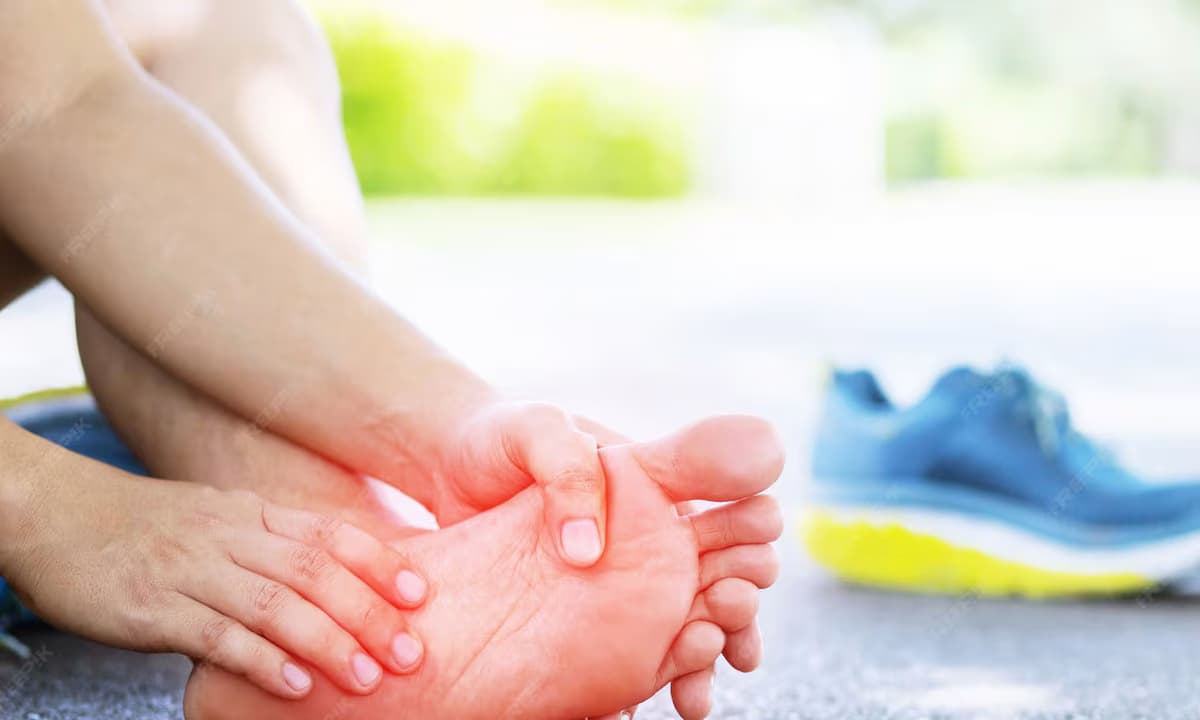
Take Steps to End Foot Pain: From Quick Relief to Long-Term Recovery
Your feet are the foundation of your body, carrying you through every step of your day. Foot pain is more than just a nuisance—it can limit your mobility and diminish your quality of life. The good news is that whether you're seeking immediate comfort or lasting solutions, you can take control of your foot health. Here’s your guide to moving from quick relief to a future free from foot pain.
1. Find Immediate Relief with R.I.C.E.
For sudden aches, swelling, or minor injuries, the R.I.C.E. method can be a useful first response:
- Rest: Stop activities that aggravate the pain to prevent further strain.
- Ice: Apply an ice pack wrapped in a towel for 15–20 minutes to help reduce swelling.
- Compression: Use a bandage to gently support the area and help minimize swelling.
- Elevation: Prop your feet up while resting to help reduce swelling.
2. Invest in Proper Footwear
Your shoes play an important role in maintaining foot health. Ill-fitting or unsupportive footwear can contribute to foot discomfort. Make sure your footwear:
- Has adequate arch support and a comfortable heel.
- Provides a roomy toe box so your toes are not cramped.
- Offers good cushioning, especially around the heel and ball of the foot.
- Is appropriate for your activity and provides adequate support.
3. Strengthen and Stretch Your Feet
Weak or tight muscles can contribute to foot discomfort. Simple exercises and stretches may help improve flexibility and strength:
- Towel Scrunches: Place a towel flat on the floor and use your toes to gently scrunch it toward you.
- Toe Pickups: Use your toes to pick up small objects to improve foot muscle strength.
- Calf Stretches: Lean against a wall with one leg positioned behind you to gently stretch the calf and Achilles tendon.
- Plantar Fascia Stretch: Gently pull your toes back toward your shin to stretch the bottom of the foot.
4. Consider Supportive Inserts or Orthotics
Arch supports or custom orthotics may help improve foot alignment, redistribute pressure, and provide additional support. If you experience ongoing foot pain, consult a qualified healthcare professional to determine whether orthotics are appropriate for you.
5. Maintain a Healthy Weight
Excess body weight can increase stress on the bones, joints, muscles, and soft tissues of the feet. Maintaining a healthy weight can help reduce the load placed on your feet and may improve symptoms associated with conditions such as plantar fasciitis and arthritis.
6. Modify High-Impact Activities
If activities such as running or jumping increase your foot pain, consider temporarily switching to lower-impact exercises while you recover. Swimming, cycling, and using an elliptical machine can help you stay active while reducing repetitive impact on your feet.
7. Use Massage and Relaxation Techniques
Gentle massage can help relieve muscle tension and make your feet feel more comfortable after a long day.
- Warm Foot Soak: Soaking your feet in warm water may help relax tired muscles.
- Self-Massage: Gently roll a tennis ball or massage ball under your foot to release tension.
8. Listen to Your Body's Signals
Persistent foot pain should not be ignored. Sharp pain, ongoing swelling, numbness, weakness, or pain that interferes with normal activities may require professional evaluation. Identifying the underlying cause is important for choosing the right treatment.
9. Consult a Professional for Lasting Solutions
When foot pain continues despite home care, professional assessment can help identify the underlying problem and create an appropriate treatment plan. Depending on the cause, treatment may include:
- Physical Therapy: Targeted exercises and hands-on techniques to improve strength, flexibility, movement, and gait.
- Podiatry Care: Assessment and treatment of conditions affecting the feet and ankles.
- Corrective Treatments: Depending on the diagnosis, your healthcare provider may recommend additional medical or surgical treatment.
10. Make Foot Care a Daily Ritual
Long-term foot health comes from consistent care. Keep your feet clean and dry, trim your toenails appropriately, moisturize dry skin, wear comfortable footwear, and regularly check your feet for changes or injuries.
Conclusion
Ending foot pain is a journey that starts with understanding the cause and taking appropriate steps toward recovery. Simple self-care, supportive footwear, appropriate exercise, and professional guidance can all play a role in improving foot health.
Don't simply learn to live with persistent foot pain. If your symptoms continue or affect your daily activities, consider getting evaluated by a qualified physiotherapy or healthcare professional. With the right approach, you can take confident steps toward better mobility and long-term foot health.